




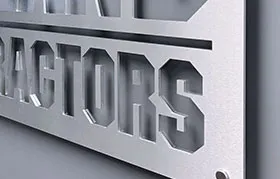
In my 12 years of managing technical procurement and manufacturing processes at eptahub.com, few product categories generate as much quoting friction as custom metal signs. Whether a client is asking for a small, personalized nameplate for a residential driveway or a massive, illuminated corporate logo for a commercial building, the initial question is always the same: “How much is a custom metal sign?”
When search queries like how much does it cost to get a sign? 또는 how much are metal signs? hit our desk, my engineering response is always: It depends entirely on your vector file and your Bill of 재료 (BOM).
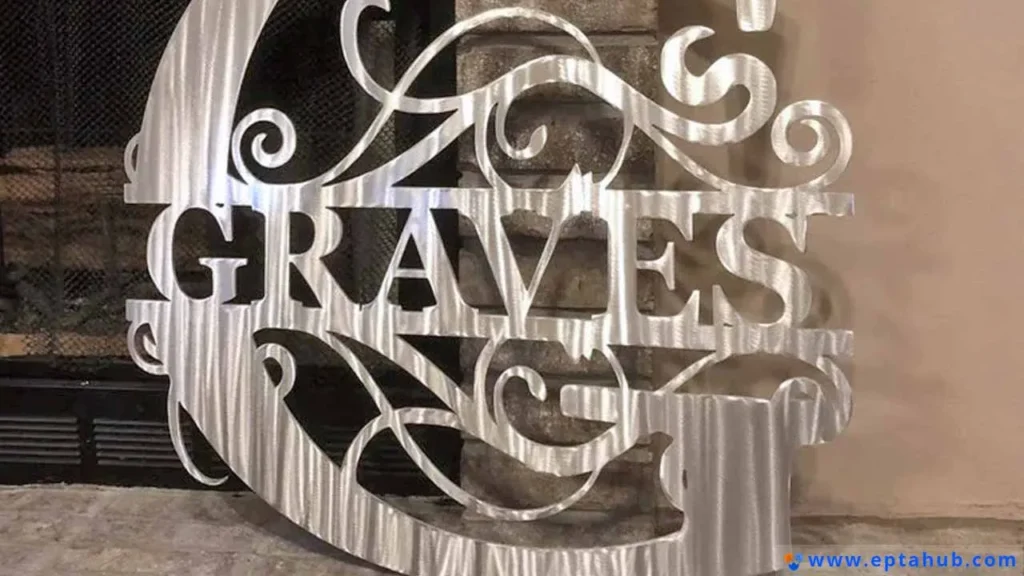
Unlike off-the-shelf products, a custom metal sign is a bespoke piece of sheet metal fabrication. The cost is not pulled from a catalog; it is calculated based on three rigid industrial metrics:
- Material Footprint & Yield: How much raw metal does your sign consume, and how much is thrown away as scrap?
- Machine Time (Cut Path): How long does the laser or waterjet run to cut out your specific design?
- Secondary Finishing: Does it require sanding, welding, 분체 도장, or anodizing to survive the elements?
재료 선택
The biggest mistake I see from buyers searching for custom metal signs outdoor is prioritizing the lowest initial quote without checking the material specifications. If you order a cheap sign for an exterior brick facade, and it streaks rust down the wall after the first rainstorm, your “cheap” sign just caused thousands of dollars in property damage.
The first step in calculating the cost of a custom metal sign is choosing the right sheet metal alloy.
1. 알루미늄 (업계 표준)
For 80% of commercial and residential outdoor signage, aluminum is the undisputed king. Most high-quality custom metal signs for business are cut from 5052-H32 or 6061-T6 aluminum alloys.
- 엔지니어링 이점: Aluminum is intrinsically rust-proof. It forms a natural oxide layer that prevents degradation. It is also roughly one-third the weight of steel, which drastically reduces shipping costs and makes installation on drywall or stucco much safer and cheaper.
- Cost Implication: While the raw material is slightly more expensive than mild steel per pound, its superior machinability (cutting speed) and lower shipping weight often make it the most cost-effective choice overall.
2. Stainless Steel (The Premium Corporate Aesthetic)
When a company wants an ultra-modern, brushed, or mirror-polished look, they specify 스테인리스 스틸. However, you must specify the correct grade.
- Engineering Advantage: Exceptional tensile strength and a brilliant bare-metal finish. For 기준 indoor use or mild outdoor environments, 304 스테인리스강 is adequate. If your sign is near the ocean (exposed to salt spray) or in a highly polluted industrial area, you must specify 316 스테인리스강 (marine grade, containing molybdenum) to prevent “tea staining” or surface rust.
- Cost Implication: Stainless steel is incredibly tough. It cuts slower on a laser and is brutal to hand-polish. Expect to pay a 40% to 60% premium over aluminum for a finished stainless steel sign.
3. Weathering Steel / Corten (The Architectural Rust Look)
A massive trend for custom metal signs for home and landscape architecture is Corten steel.
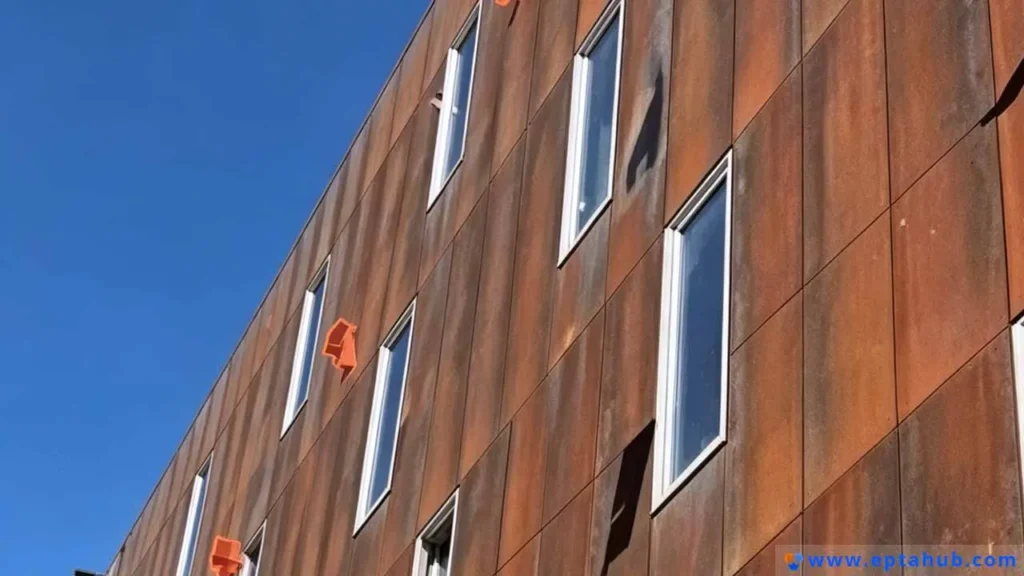
- 엔지니어링 이점: Corten is formulated with copper, chromium, and nickel. It is intentionally designed to rust on the surface. This rust layer quickly stabilizes and forms a hard patina that actually protects the underlying steel from further corrosion.
- Cost Implication: It is a specialty alloy, making it more expensive than mild steel. Furthermore, the runoff during the initial rusting phase will stain concrete or stone below it, so installation placement must be carefully engineered.
4. Mild Steel (The Budget Trap)
Mild steel (like A36 or 1018) is the cheapest raw material available.
- 엔지니어링 이점: It cuts extremely fast and is highly magnetic (useful if the sign involves magnetic attachments).
- Cost Implication: Never use bare mild steel outdoors. It will aggressively rust and disintegrate. Mild steel is only cost-effective if it is heavily sandblasted, primed, and protected with a UV-resistant powder coat. By the time you pay for professional finishing, the cost often eclipses simply using aluminum in the first place.
How Are Custom Metal Signs Made? The Machining Breakdown
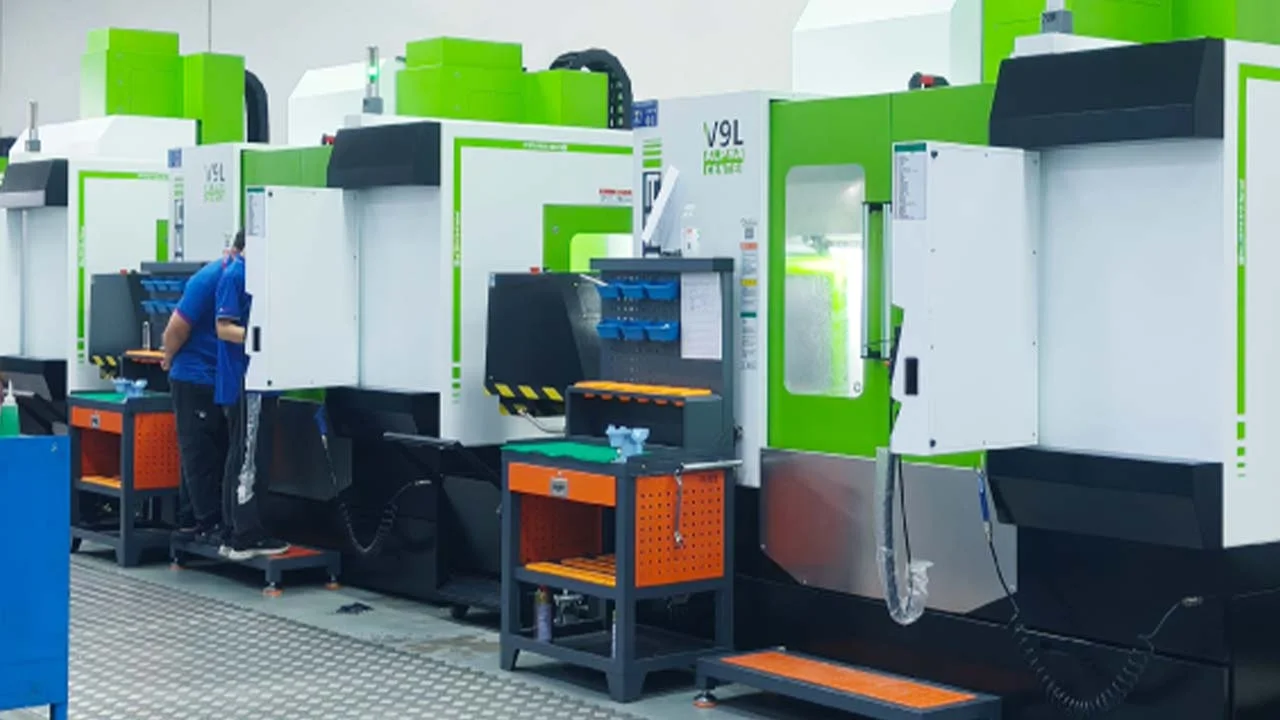
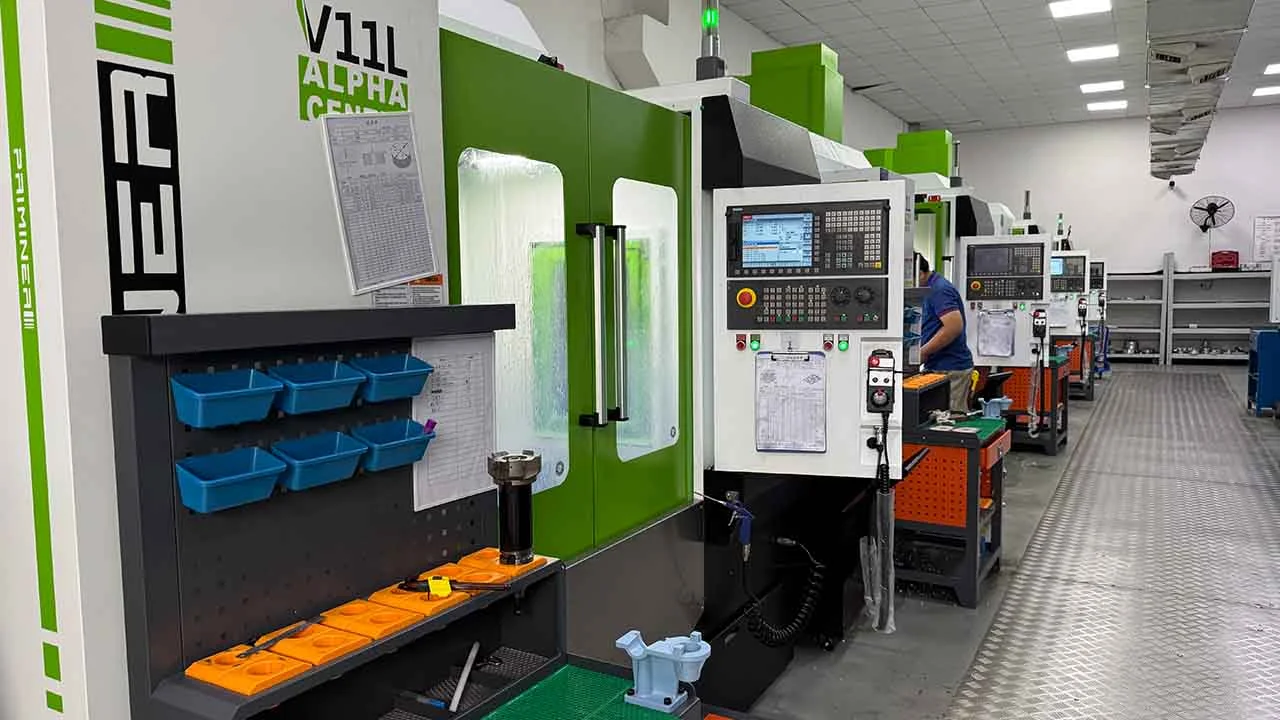
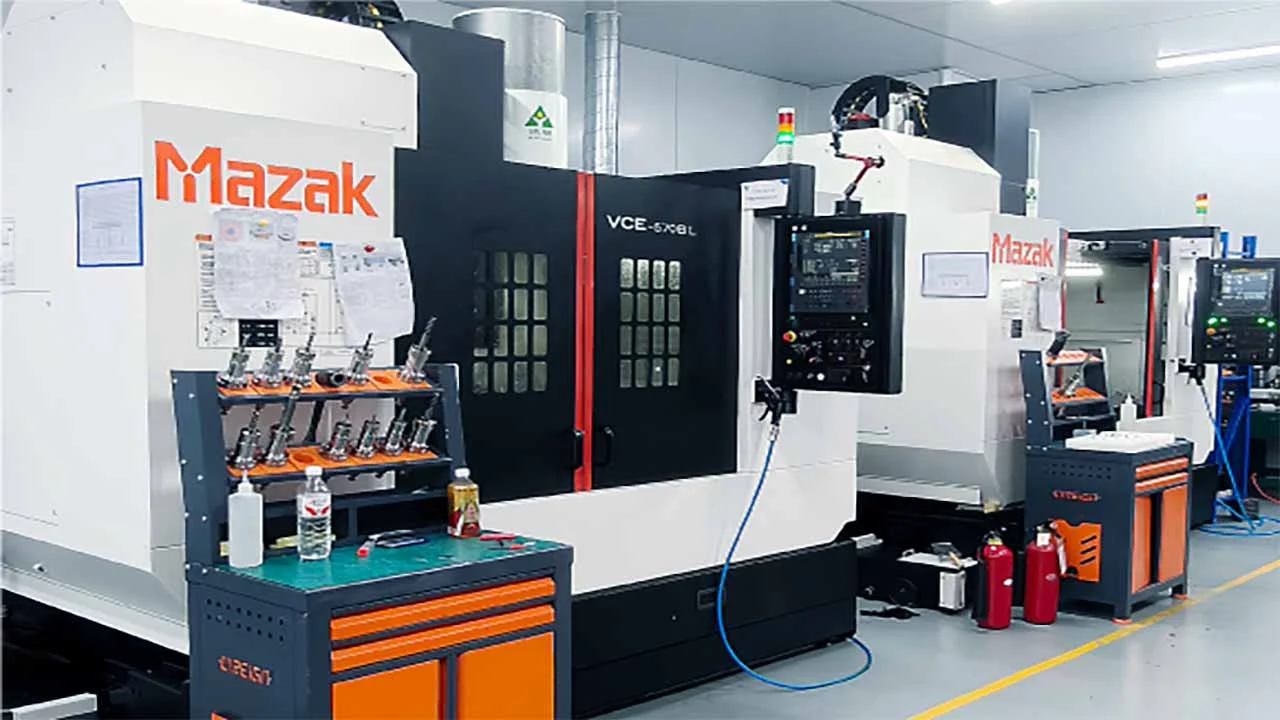
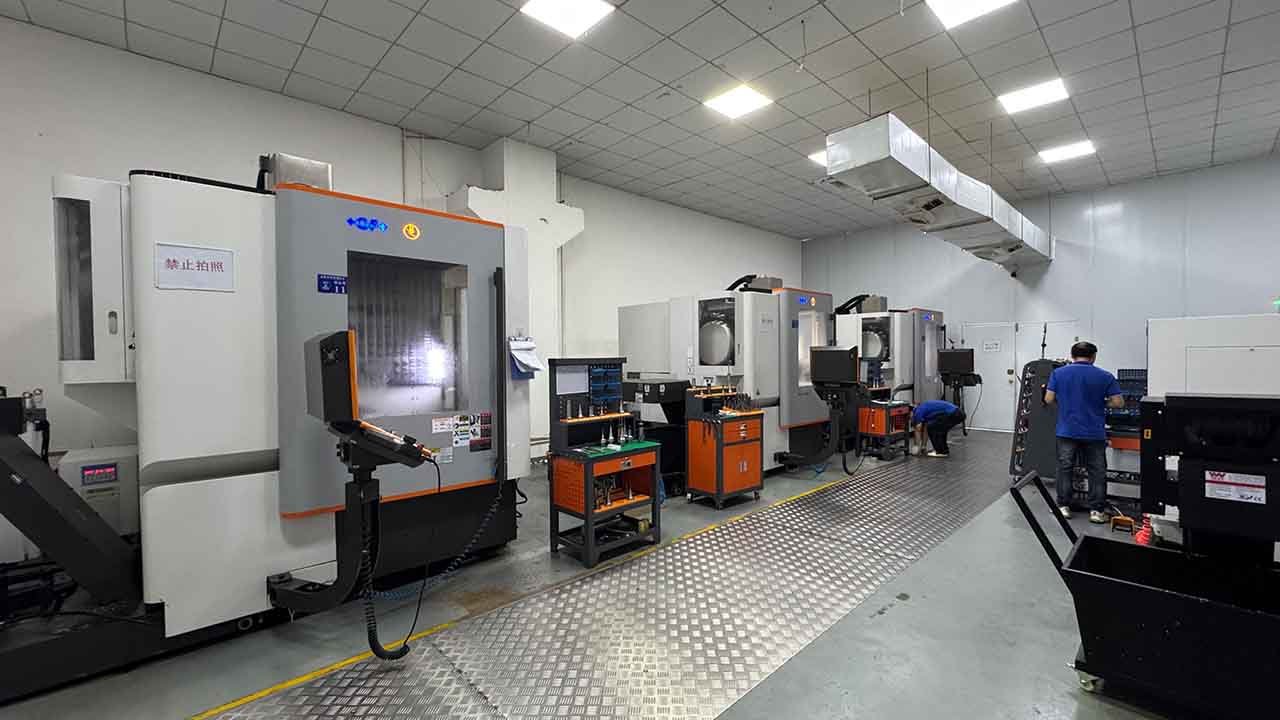
사용자가 검색할 때 custom laser cut metal signs, they are acknowledging the dominant manufacturing method of the 21st century. Gone are the days of hand-cutting or basic plasma torches. Modern signage relies on CNC (Computer Numerical Control) precision.
The cost to make your sign is directly tied to the specific machine used.
1. Fiber Laser Cutting (The Gold Standard)
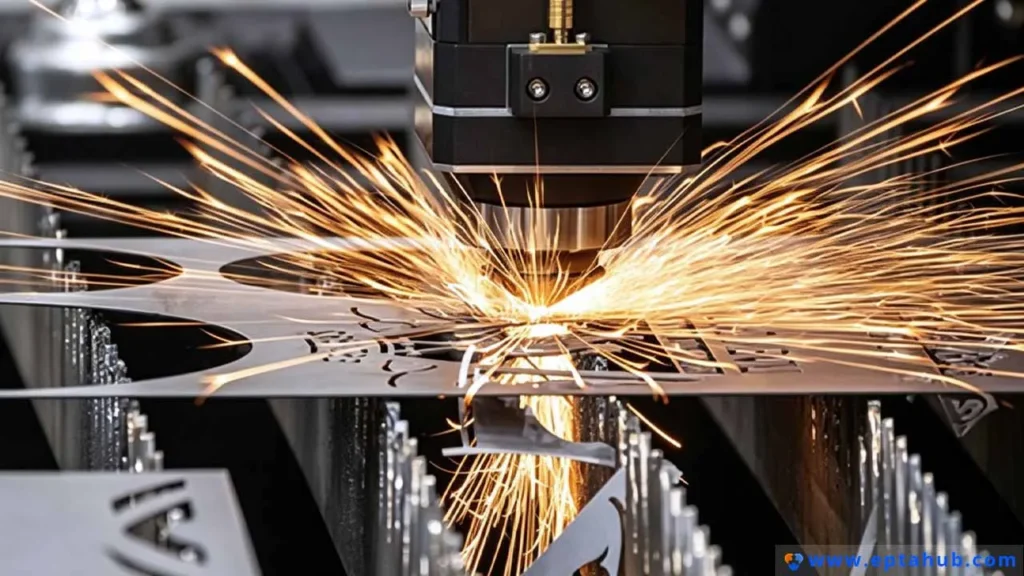
For signs ranging from 1mm to 12mm (approx. 1/2 inch) thick, the CNC fiber laser is the ultimate tool. A high-powered beam of light, amplified through fiber optic cables, vaporizes the metal.
- Why it dictates cost: Lasers charge by the minute. The complexity of your design (the total linear length of the cut path) determines the price. A solid 24×24 inch square is incredibly cheap. A 24×24 inch intricate tree silhouette with hundreds of tiny branches takes 10 times longer to cut and will cost significantly more.
- Kerf Width: Lasers have a “kerf” (the width of the cut) of roughly 0.1mm to 0.2mm. This allows for stunningly intricate custom metal cutout signs with sharp internal corners that traditional routers cannot achieve.
2. CNC Waterjet Cutting (For Extreme Thickness)
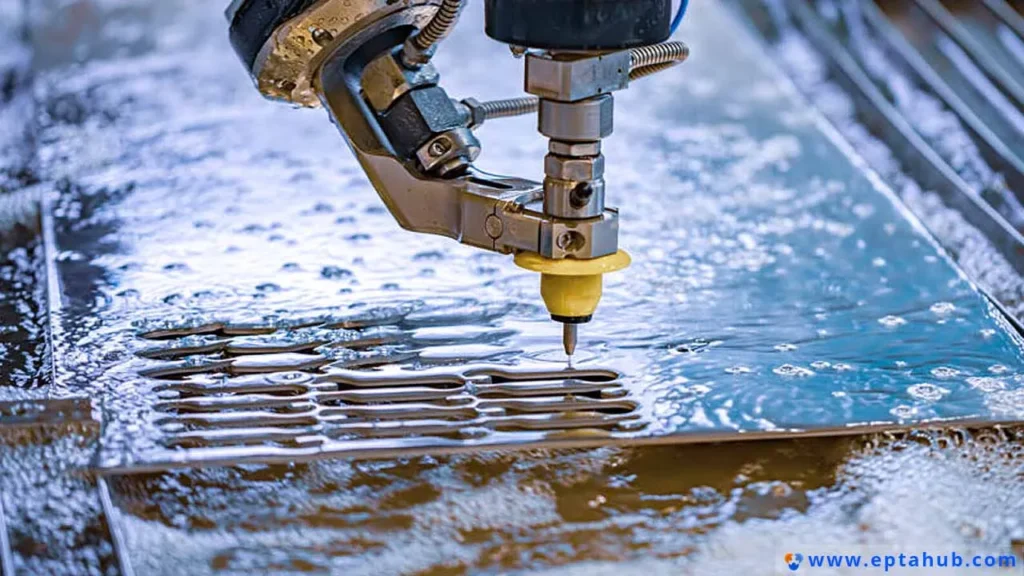
If a corporate client wants a massive, chunky logo cut from 1-inch thick solid aluminum, a laser will struggle to produce a clean edge. We pivot to a CNC Waterjet.
- 진행 과정: Waterjet cutting uses a stream of water pressurized to over 60,000 PSI, mixed with an abrasive garnet dust, to literally erode through the metal.
- Cost Impact: Waterjets run much slower than lasers and consume expensive abrasive materials. Consequently, thick waterjet-cut signs are premium, high-cost items. However, waterjets generate zero heat, meaning there is no Heat Affected Zone (HAZ) or edge warping, which is critical for thick architectural pieces.
3. CNC Plasma Cutting (The Industrial/Rustic Option)
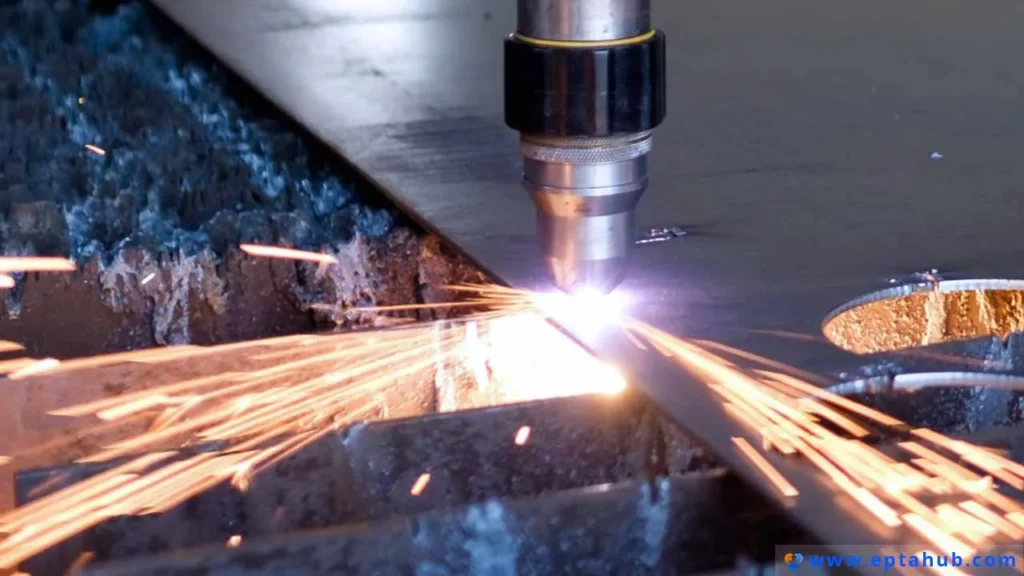
Plasma cutting uses an electrical channel of superheated, electrically ionized gas to slice through metal.
- Cost Impact: It is the cheapest and fastest way to cut thick steel. However, the cut edge is rough, leaves behind “dross” (slag that must be ground off), and the kerf is wide. We generally avoid plasma cutting for highly detailed, small indoor signs, reserving it for large custom metal signs viewed from a distance (like a large ranch gate sign).
The Pricing Matrix: Decoding “How Much Does It Cost?”
To directly answer the search queries regarding pricing, I have compiled a baseline estimation matrix.
Disclaimer as an Engineer: These are estimated manufacturing costs based on a standard 11-gauge (~3mm or 1/8″) thickness with a moderately complex cut path and a standard powder-coated finish. Setup fees, design time (CAD work), and shipping are not included.
| Sign Category | Dimensions (Estimated) | Material Specification | Estimated Price Range (USD) | Primary Cost Driver |
|---|---|---|---|---|
| Small Name Sign (Indoor) | 12″ x 6″ | 16-gauge Aluminum | 45−95 | Setup time (machine loading) is high relative to the material cost. |
| Custom Metal Signs for Home (Porch/Gate) | 24″ x 24″ | 11-gauge Aluminum (Powder Coated) | 150−350 | Cut path complexity and powder coating batch minimums. |
| Medium Business Logo (Lobby) | 36″ x 24″ | 11-gauge 304 Stainless Steel (Brushed) | 400−800 | High material cost, slower laser cut time, manual directional brushing. |
| Large Custom Metal Signs (Outdoor Property) | 48″ x 96″ (Full 4×8 Sheet) | 1/4″ (6mm) Aluminum (Powder Coated) | 900−2,500+ | Raw material volume, custom crating for freight shipping, structural mounting hardware. |
The Procurement Secret to Lowering Cost:
If you want to reduce the cost of your quote, focus on your vector file (DXF/AI/SVG). Ensure all lines are joined, eliminate duplicate overlapping lines, and reduce the number of nodes (control points) on curves. A “dirty” vector file forces the laser head to stutter and slow down, artificially inflating your machine time and your final bill.
Engineering Case Study: The “Cheap” Mild Steel Disaster
To illustrate the hidden costs of ignoring material science in signage, consider a recent failure analysis we conducted for a local retail complex.
시나리오: A retail developer needed a set of five large (4ft x 4ft) custom metal signs outdoor to mount on the newly constructed, light-colored limestone pillars at the entrance. They sent an RFQ to three local fabrication shops. Two shops quoted ~800persignusingpowder−coatedaluminum.Thethirdshopquoted400 per sign using bare mild steel, claiming they would “spray paint it with Rust-Oleum” to save the client money. The procurement manager took the low bid.
실패: Within four months, the cheap spray paint succumbed to UV degradation and micro-scratches from wind-blown debris. Moisture penetrated to the mild steel. The resulting iron oxide (rust) began to bleed profusely. Heavy rain washed the rust down the face of the $15,000 limestone pillars, deeply staining the porous stone with permanent orange streaks.
결의안: The developer had to hire a specialized masonry restoration crew for 3,500tochemicallypulltherustoutofthelimestone.Theythenthrewawaythe2,000 mild steel signs and came to us.
We manufactured the replacements using 5052 Aluminum, mechanically sanded, chemically primed, and baked with an exterior-grade, UV-resistant architectural powder coat. The cost was 950persign.HadtheyconsultedanengineerontheinitialBOM,theywouldhavesavedover4,000 in damages and replacement costs.
When quoting metal signs, the cheapest upfront invoice often carries the highest long-term liability.
The Armor of the Sign: Secondary Finishing Processes
Once the raw 판금 drops off the laser bed, it is essentially unfinished. If you simply wipe it down and bolt it to a wall, it will immediately begin to oxidize, scratch, or collect fingerprints.
When clients ask, “How much are metal signs?”, they often underestimate that up to 40% of the final invoice is dedicated to the secondary finishing process. This is the “armor” that protects the metal and dictates the final aesthetic. Here is a breakdown of the three primary finishing engineering standards we utilize at eptahub.com.
1. Powder Coating (The Industrial Standard for Aluminum & Steel)
For the vast majority of custom metal signs outdoor, powder coating is the undisputed champion.
- 진행 과정: Instead of liquid paint, a dry, electrostatically charged plastic powder (usually a polyester or polyurethane blend) is sprayed onto the grounded metal sign. The sign is then rolled into a curing oven at roughly 400°F (200°C). The powder melts and chemically cross-links into a continuous, rock-hard plastic shell.
- 엔지니어링 이점: Powder coating is exceptionally durable. It resists UV fading, chipping, and salt spray far better than any wet paint. It also encapsulates the sharp laser-cut edges, making the sign safer to handle.
- Cost Impact: Most custom fabrication shops have a “minimum batch charge” for powder coating (often around 100−150) because they must clean out the spray gun and bake a whole oven rack, even if you only ordered one small custom metal name sign.
2. Anodizing (The High-Tech Aluminum Finish)
If you want to maintain the metallic look of aluminum while hardening the surface, anodizing is the correct specification.
- 진행 과정: As discussed in our aluminum guide, anodizing is an electrochemical process that forces the aluminum to grow a thick, microscopic layer of aluminum oxide. This porous layer can be dyed with colors (like sleek black or vibrant red) before being chemically sealed.
- 엔지니어링 이점: Because the finish ~이다 the metal (not a coating sitting on top), it physically cannot peel, flake, or blister. It is the ultimate finish for high-end corporate interiors and marine environments.
- Cost Impact: Anodizing is a specialized chemical process that requires precise alloy consistency (usually strictly 6061 or 5052). Welded areas will anodize a different color than the base metal, which complicates the design. It is generally more expensive than powder coating.
3. Directional Brushing and Passivation (For Stainless Steel)
When dealing with custom metal signs for business made of 304 or 316 Stainless Steel, the goal is often a raw, premium look.
- 진행 과정: The metal is mechanically sanded using linear abrasive belts (usually a #4 finish) to create an elegant, brushed grain. After brushing, the metal ~ 해야 하다 undergo passivation—a citric or nitric acid bath that strips away free iron from the surface, ensuring maximum rust resistance.
- Cost Impact: Highly labor-intensive. Achieving a perfectly uniform brushed finish on a complex laser-cut logo requires skilled handwork. This drives up the manual labor costs significantly.
Installation Engineering: How Will You Hang It?
A frequent oversight in the design phase is failing to plan for installation. A beautiful 50-pound piece of 1/4″ aluminum is useless if you don’t know how to attach it to a brick wall. The mounting method must be engineered into the CAD file ~ 전에 the laser fires, and it directly affects the final quote.
1. Through-Holes (The Cheapest Option)
The simplest method is designing small holes (e.g., 0.25″ diameter) into the corners of the sign. You simply drive a masonry anchor or a wood screw straight through the face of the sign.
- 장점: Zero additional manufacturing cost.
- 단점: The screw heads are visible, which detracts from a premium aesthetic.
2. Stand-Off Barrels (The Modern Floating Look)
To give custom metal cutout signs a high-end, 3D architectural feel, we use stainless steel stand-offs. Holes are cut into the sign, and metal barrels space the sign 1″ to 2″ away from the wall.
- 장점: Creates beautiful drop-shadows on the wall behind the sign.
- 단점: Requires precise drilling into the wall to match the holes in the sign. The hardware itself adds 20to50 to the BOM.
3. Blind Stud Welding (The Invisible Mount)
For the absolute cleanest look on high-end corporate logos, we specify blind stud mounting.
- 진행 과정: Using a specialized Capacitor Discharge (CD) welder, threaded aluminum or stainless steel studs are instantly welded to the back of the sign. There is zero heat distortion or marking on the visible front face.
- 장점: The face of the sign is flawless; no visible holes or hardware.
- 단점: Requires thicker material (minimum 1/8″ / 3mm) so the weld doesn’t burn through. It adds significant manual labor and welding time to the quote.
Navigating Local Sourcing: “Custom Metal Signs Near Me”
사용자가 검색할 때 “custom metal signs near me,” they are usually trying to avoid exorbitant freight shipping costs for large pieces of metal. Sourcing locally is smart engineering, provided you know how to vet the supplier.
Here is a technical checklist for auditing a local fabrication shop before you issue a PO:
- Ask about their cutting technology: Do they use a modern Fiber Laser or an old CNC Plasma table? If your design has intricate fonts (like a delicate serif font), plasma will destroy the detail. Insist on laser or waterjet.
- Verify material storage: Do they store their stainless steel and mild steel on the same racks? If so, carbon dust from the mild steel will contaminate the stainless steel, causing your “rust-proof” sign to rust. This is a massive red flag in professional 판금 shops.
- In-house vs. Outsourced Finishing: Does the local shop have an in-house powder coating oven, or do they sub it out? Subcontracting adds a markup and increases lead times by 1-2 weeks.
- Ask for the drop (scrap): If you are paying for a full 4×8 sheet of material but your sign only takes up a 4×4 area, ask if you can keep the “drop” (the leftover metal). Good shops will either give it to you or discount your material cost based on the scrap weight.
자주 묻는 질문
Q1: I want a complex tree graphic cut out. Why is the quote so high if it’s a small sign?
In laser cutting, time is money. A simple square has four straight lines. An intricate tree silhouette has thousands of tiny curves, branches, and leaf cutouts. The laser head must constantly accelerate, decelerate, and change direction. A 24″ complex tree might take 15 minutes of machine time, whereas a 24″ solid circle takes 15 seconds. You are paying for the machine runtime, not just the raw material.
Q2: Can you laser cut a custom metal sign from my JPEG or PNG image?
아니요. CNC machines cannot read raster images (pixels). They require Vector files (usually .DXF, .AI, .EPS, or .SVG formats). A vector file is a series of mathematical lines and coordinates that the machine follows like a map. If you only have a JPEG, the fabrication shop will have to charge you an engineering fee (usually 50−150/hr) to manually re-draw and trace your image into a machinable CAD file.
Q3: What is the thinnest metal I can use for an outdoor sign without it warping?
If the sign is mounted flat against a solid wall, you can use 14-gauge (0.063″ / 1.6mm) aluminum. However, if the sign is mounted on a post or suspended (subject to wind loads), you must step up to at least 11-gauge (0.125″ / 3mm) or 1/4″ (6mm) to prevent it from flexing or buckling in high winds.
Q4: Will small custom metal signs have sharp edges?
Laser cutting vaporizes metal, leaving a crisp 90-degree edge. While not as sharp as a knife, it can cause micro-cuts during handling. At eptahub.com, we specify that all signs must undergo “deburring” (running the part through a wide-belt sander or vibratory tumbler) to break the sharp edges before finishing or shipping. If you are buying a cheap sign online, ask if edge deburring is included.
Q5: How much does it cost to get a sign illuminated?
Adding lighting fundamentally changes the product from a sheet metal part to an electrical assembly. If you want “halo-lit” or backlit signs (where LEDs shine against the wall behind the sign), you must factor in the cost of IP65-rated exterior LED modules, UL-listed power supplies (transformers), thicker metal to hide the wiring, and complex standoff hardware. Expect the cost to be 2.5x to 3x higher than a non-illuminated sign.
The Engineer’s Verdict: Procuring with Precision
The ultimate answer to “How much is a custom metal sign?” lies in the precision of your RFQ.
If you ask for a “metal sign,” you will receive wild, inconsistent quotes ranging from cheap, doomed-to-rust mild steel to hyper-expensive architectural stainless.
Take control of your procurement. Specify the exact alloy (e.g., 5052-H32 Aluminum), demand the cutting method (CNC Fiber Laser), require an industrial finish (UV-resistant Polyester Powder Coat), and provide a clean DXF vector file. By utilizing these engineering principles, you will bypass the sales fluff, secure accurate pricing, and ensure your sign stands the test of time, weather, and aesthetic scrutiny.
참고 자료
To ensure your signage projects meet strict building codes and longevity requirements, refer to the following industry standards:
- The Aluminum Association (AA) – Sheet Metal Standards
Provides the definitive chemical compositions and mechanical limits for 5052 and 6061 aluminum sheet, ensuring your material yields the necessary corrosion resistance for outdoor environments.
링크: Aluminum.org – Standards - ASTM A480 / A480M – Standard Specification for Flat-Rolled Stainless and Heat-Resisting Steel Plate, Sheet, and Strip
The critical engineering document that defines the difference between 304 and 316 stainless steel, including 표면 마감 designations (like the #4 brushed finish).
링크: ASTM.org – A480