Durable, High-Strength Components For Demanding Uses

STEP丨STP丨SLDPRT丨STL丨IPT丨3MF丨3DXML丨PRT丨SAT
Compression molding is a flexible manufacturing process that EPTAHUB provides for producing robust, long-lasting, and intricate components. It involves putting pre-measured materials—such as silicone, EPDM, or NBR—into a heated mold cavity. This cavity is then closed under pressure until the component hardens.
This method is perfect for crafting custom seals, gaskets, and rubber parts that boast excellent surface finishes, dimensional consistency, and resistance to heat, chemicals, and corrosion. It proves beneficial across multiple industries, including automotive, aerospace, electrical, and medical sectors.
EPTAHUB handle complex projects from the design phase to production, offering professional guidance and dependable support.

While compression molding of carbon fiber and plastic compression molding are both valid uses of this process, at EPTAHUB, our proficiency focuses on molding rubber elastomers. These materials are valued for their flexibility, resilience, and ability to resist heat, chemicals, and wear. This specialized focus enables us to deliver high-performance components tailored for challenging environments across various industries.
Understanding the main benefits of this molding approach helps clarify why it has become a widely used manufacturing method. Below are some key reasons engineers rely on it to meet tough project requirements:
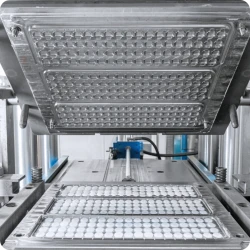
Compression molding facilitates the manufacturing of intricate shapes that are hard to achieve with other methods. It allows for detailed features, undercuts, and varying contours within a single component, enabling designers to tailor parts precisely to functional and aesthetic requirements.
This manufacturing method employs comparatively straightforward tooling and produces little material wastage, making it a cost-efficient choice for medium- to high-volume production. The controlled molding process also generates high-quality surface finishes, reducing or eliminating the need for expensive post-machining or secondary finishing work.
The compression molding process uniquely produces parts with varied wall thicknesses in a single cycle. This capability enables optimized strength-to-weight ratios and complex, functional geometries beyond the reach of many alternative methods.
Compression molded products are utilized across a wide range of industries. These industries require durable, precisely formed components that can withstand specific environmental, mechanical, or regulatory demands. Common applications include.

Within the dental and healthcare fields, compression molding is perfect for manufacturing biocompatible seals, diaphragms, and flexible components where cleanliness and precision are essential. The process ensures consistent component quality and smooth surface finishes—both critical for hygienic applications. Silicone is a typical selection here due to its excellent thermal stability, chemical resistance, and proven safety in medical environments.
Compression molding is often chosen for consumer goods needing custom shapes, soft-touch surfaces, or flexibility—like grips, pads, or buttons. EPDM is a suitable material for these applications due to its durability, weather resistance, and comfortable feel.
Food-grade silicone meets the exacting needs of the food industry: regulatory compliance, reliability under thermal and pressure cycles, non-reactivity, and sanitization durability. When precision-molded via compression molding, it yields gaskets, seals, and components with superior surface integrity, typically ready for use without additional finishing.
Compression molding meets industrial demands for long-wearing components like seals, dampers, and covers. Key to this are materials such as NBR, HNBR, and FKM (Viton®), selected for oil, chemical, and temperature resistance. Equally critical is the process's capability to mold thick or complex geometries with unwavering performance, solidifying its role in creating reliable high-stress components.
Compression molding—also known as pressure molding or press molding—is a manufacturing procedure employed to form materials like thermosetting plastics, rubbers, or composite fibers by applying heat and pressure. The procedure starts by placing a pre-measured amount of material (called a “shot”) into a heated mold cavity. The mold is then closed, and high pressure is applied to the material, forcing it to flow and fill the mold’s shape. Heat and pressure are maintained until the material hardens. Once hardened, the mold opens, and the formed component is removed.
This technique is commonly used to produce strong, durable parts with complex shapes, making it popular in the automotive, aerospace, and appliance industries. Compression molding is valued for its cost-effectiveness in medium to high-volume production, low material waste, and ability to create components with varied wall thicknesses that exhibit excellent mechanical performance.
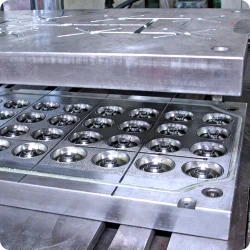
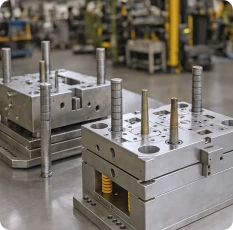
Design plays a key role in the success of compression molding. Mold geometry, material flow channels, venting, and parting lines need to be meticulously designed to accommodate how the chosen material behaves under heat and pressure. Proper design minimizes defects such as voids, incomplete fills, or warping. Additionally, the design of the charge’s shape and placement, as well as the mold’s ability to withstand high loads, directly impacts cycle times, scrap rates, and overall product performance. A well-designed compression mold not only improves quality but also extends tool life and reduces production costs.
Understanding the complete compression molding process—from raw material handling to final component removal—can help achieve high-quality, cost-effective results. Below is a step-by-step breakdown of how the process works:
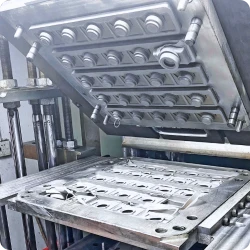
A pre-weighed quantity of molding material (referred to as a “charge”) is prepared. Depending on the application and material type (typically thermosets or composites), the material charge can take the form of pellets, putty, sheets, or preforms.
The compression mold is warmed to a specific temperature—usually between 250°F and 400°F—to prepare for the material’s hardening process.
The prepared charge is positioned straight into the open, preheated mold cavity. Precise placement is essential to ensure even distribution and minimize waste or defects.
The mold is shut using a compression molding press, which consists of an upper and lower platen where the mold halves are mounted. Depending on the component size and material, significant pressure (typically ranging from 100 to 2,000 tons) is applied. This pressure forces the material to flow and completely fill the mold cavity.
While under pressure, the material is maintained at an elevated temperature for a specified duration. This allows it to harden through a chemical crosslinking process, ensuring the molded component retains its final shape and structural integrity.
Once curing is complete, the press opens, and the completed component is taken out of the mold. Any excess material (known as flash) is trimmed, and the component may undergo secondary finishing if necessary.

Instant automated quotes for custom plastic molded prototypes and production batches | Nearly unlimited choices for materials and surface finishes | Professional engineering evaluations and project oversight are included with every request
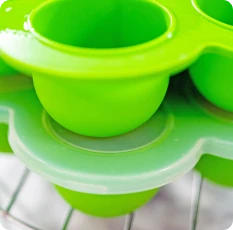
Produce custom silicone prototypes and final production components in 15 days or fewer, available in various durometers and LSR material grades. Note that availability may vary; EPTAHUB cannot ensure this service is accessible at all times.
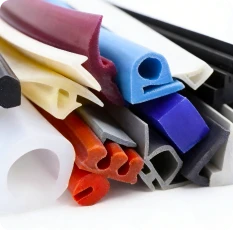
Premium-Quality, Cost-Effective Custom Plastic Extrusions Through EPTAHUB

Select from millions of potential combinations of materials, finishes, tolerances, markings, and certifications for your order.

Quickly get instant quotes for compression molding services with our user-friendly quoting system.

EPTAHUB holds ISO 9001:2015, ISO 13485, and AS9100D certifications.
Learn how to easily obtain an instant quote for Compression Molding services through the EPTAHUB Instant Quoting Engine®.
 English English
  German
 Spanish
 French
 Japanese
 Korean
 Malay
Malay
 Portuguese
 Russian
 Thai
Thai
Our automated quoting system gives you instant pricing so you can quickly estimate your project costs.
For high-precision or complex parts, our senior account managers can provide more detailed quotes and help you find the best overall solution for your needs.