EPTAHUB provides high-quality micro molding services and can support the manufacturing of parts with intricate and complex geometries as well as superior surface finishes. Service availability is subject to change, and EPTAHUB does not guarantee the provision of this service at any specific time.
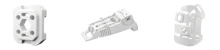
STEP丨STP丨SLDPRT丨STL丨IPT丨3MF丨3DXML丨PRT丨SAT
Micro molding is an advanced and specialized manufacturing technology that enables the production of complex miniature parts with high precision. As a subset of plastic injection molding, it is designed to manufacture parts whose key features are usually smaller than 1 millimeter. This process has been widely used in industries such as medical device manufacturing, electronics, automotive, and aerospace. One of the major advantages of custom plastic injection micro molding is its ability to efficiently produce high-precision parts with tiny details in large quantities, while also being compatible with a wide range of materials.
EPTAHUB provides high-quality micro molding services to meet the needs of various industries and applications. Typical applications of micro injection molding include the production of integrated circuit components and automotive door locking mechanisms. Our extensive manufacturing network, combined with rich manufacturing experience, ensures that your parts are manufactured to the highest quality standards with short lead times.
The micro molding process is largely similar to the standard plastic injection molding process, but it requires more precise control to ensure the production of high-quality parts. Before micro injection molding can start, molds and dies must be manufactured. Precision-oriented advanced manufacturing methods—such as electrical discharge machining (EDM), micro EDM, and micro-machining—are used to create extremely precise molds with tolerances as tight as a few micrometers. Once the molds are produced, they can be installed in a micro injection molding machine. Next, a thermoplastic or liquid silicone rubber is melted and maintained at a constant temperature. The molten material is then injected into the micro mold at a controlled flow rate and held at a specific pressure while cooling. Advanced programming and control systems in micro injection molding machines ensure stable and consistent molding parameters. After sufficient cooling, the micro injection molded parts are removed from the mold and inspected to confirm they meet the required dimensional tolerances.
There are several types of micro molding, each with its own advantages, disadvantages, and specific application scenarios. The various types of micro molding processes are outlined and explained below:
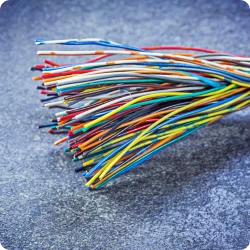
Insert molding is a type of injection molding where a metal component is placed inside a mold cavity before the mold is filled with molten plastic. This method is also applicable to micro molding. In the micro insert molding process, a metal insert is placed into the mold either manually or automatically by a robotic arm. Subsequently, the mold closes, plastic resin is injected in a single shot, and the molten plastic surrounds the insert to form an integrated part. Finally, the part is ejected, and the process is repeated. Micro insert molding is an effective way to enhance product durability and functionality. It is widely used in the medical manufacturing industry to produce components such as catheters, as well as in the electronics industry for micro-optical and integrated circuit components.
Overmolding is another subset of injection molding. It involves molding different materials or different colors of the same material in the same mold to create complex multi-material or multi-color parts. Similar to standard injection molding, the overmolding process starts with injecting a substrate material into a mold. Then, a second injection—using a different material or the same material in a different color—is made into the same mold. The material from the second injection is directly layered on top of the first layer, resulting in a single solid part composed of different materials or colors. This process is ideal for improving the grip of consumer products and creating attractive multi-color items. Micro overmolding is often used to manufacture small parts such as multi-color buttons or housings for electronics, as well as seals and gaskets in the automotive industry.
Material selection is crucial for micro molding projects. Thermoplastic polymers and other specialized resins must be carefully evaluated to determine their suitability for specific applications, especially in medical scenarios. The different materials used in micro molding are listed and described below:
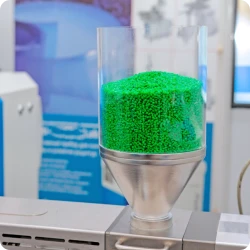
Polyethylene is one of the most widely used thermoplastics globally. It is an FDA-compliant material, making it suitable for food and beverage applications. Additionally, it offers excellent chemical and thermal resistance, as well as high tensile strength. Common applications of PE include packaging, consumer goods, and textiles.
Polypropylene is another popular plastic used in manufacturing components across various industries and applications. Desirable properties of PP include rigidity, a wide operating temperature range, and resistance to chemicals, corrosion, and fatigue. Typical applications of PP include packaging, machinery components, textiles, and consumer goods.
Nylon is a popular thermoplastic renowned for its chemical resistance, strength, and dimensional stability over a wide temperature range. It has numerous applications, including textiles, electrical housings, and mechanical components such as bearings, bushings, and sprockets.
Polycarbonate is a thermoplastic known for its transparency, optical clarity, tensile and impact strength, recyclability, and resistance to chemicals and fire. These properties make polycarbonate an excellent choice for electrical housings, switches, machine guards, and more.
Delrin® is DuPont’s trademarked polyoxymethylene (POM or acetal) resin. It is recognized for its strength, toughness, elasticity, rigidity, resistance to chemicals and flame, machinability, dimensional stability, and low friction coefficient. POM is used to produce mechanical components such as gears, pulleys, and rollers.
PSU is a translucent thermoplastic that boasts biocompatibility, food compatibility, good mechanical properties, and a wide operating temperature range. Due to its biocompatibility, PSU is commonly used in the food processing and medical industries.
PBT is a thermoplastic with excellent dimensional stability, high strength, good resistance to chemicals, UV rays, and heat, and low moisture absorption. It is often used in the automotive and electronics industries for manufacturing electrical enclosures, power-tool housings, and other components (note: PBT is not typically used for automotive fenders).
Acrylic (PMMA) is a widely used thermoplastic due to its optical clarity and transparency, high tensile and impact strength, light weight, and durability. It is often used as a substitute for glass and is commonly applied in signage, windows, machine guards, and more.
PEEK is a high-performance thermoplastic that can operate over a wide temperature range, up to 489 °F (250 °C). Beyond its temperature resistance, it also offers high strength, excellent chemical resistance, and high stiffness. PEEK is used in a range of applications, from mechanical components like bushings, bearings, and seals to fluidic components such as valves and fittings, as well as electrical housings and connectors.
ULTEM® is a well-known brand name for the thermoplastic polyetherimide (PEI). PEI is characterized by its rigidity, high mechanical strength, and resistance to creep over a wide temperature range. Additionally, it is an excellent electrical insulator, making it commonly used in applications such as coils and fuses in electronics and interior trim components in aircraft.
LCPs (Liquid Crystal Polymers) are advanced polymer materials that maintain an ordered microstructure in both liquid and solid states. This ordered microstructure gives them exceptional mechanical strength and excellent resistance to high temperatures and flames. Applications of LCP include electrical connectors, catheters, surgical and dental instruments, and coatings on cookware.
Micro molding offers numerous benefits to both manufacturers and end-users. These advantages are listed below:
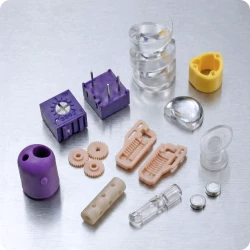
Micro molding produces parts that are both lightweight and compact. This is particularly beneficial for creating small and comfortable medical implants. Additionally, lightweight micro molded parts play a crucial role in the development of small, lightweight electronics or microfluidic components such as small valves and fittings.
In addition to being lightweight, parts manufactured via micro molding are extremely small. Advanced machining processes like micro-machining and EDM are used to create small, precise mold cavities and cores. As a result, micro-molded parts can easily fit into small and confined spaces. Micro molding has become a popular process for producing small parts in electronics, orthopedic medical implants, pacemakers, and micro-optics.
Compared to conventional injection molding, micro molding offers significant cost savings. These savings stem from the smaller tools and machinery required for the micro molding process. Tools and molds are often smaller, making them more affordable to manufacture. Furthermore, because the parts are smaller, the clamping force required is lower, which in turn reduces power consumption. Finally, smaller parts have shorter cooling times compared to those produced by conventional injection molding, leading to shorter cycle times. All these characteristics of micro molding contribute to substantial cost reductions.
Micro injection molding excels at producing parts with tight tolerances. It enables the manufacturing of extremely small, detailed, and complex components with tolerances ranging from 0.005” to 0.015”. Advanced manufacturing methods like micro-machining and EDM allow for the creation of micro-sized cavities, cores, and other features with high accuracy. Due to this capability, the process is often used in the production of electronics, medical devices, and micro-optics.
The thermoplastics used in micro molding typically exhibit strong chemical resistance. Therefore, the miniature parts created through this process can be used in applications involving high exposure to various chemicals or in corrosive environments. This is especially valuable in the medical industry for implants, instruments, and diagnostic equipment, as well as in fluidic control components like valves and fittings. Additionally, various consumer goods and electronics can benefit from the chemical resistance of micro molded parts.

Micro molding has a wide range of industrial applications, some of which are listed and described below:

Medical devices require parts manufactured to strict dimensional standards to ensure positive patient outcomes and safety. As a result, medical devices represent one of the largest application areas for micro molded parts. The different uses of micro molding in medical devices are listed below:
Common materials used for micro molded parts in the medical industry include PE, PP, and PC.
Drones are unmanned aircraft that can be remotely controlled or programmed, with applications ranging from surveillance to hobbyist use. Lightweight micro molded components are essential for the proper function and performance of drones. Examples of micro molded components in drones include:
Materials such as PC, acetal (POM), acrylic (PMMA), PEI, and nylon are commonly used for micro molded drone components.
Surveillance equipment that incorporates optical devices, such as CCTV cameras and body cameras, is another application area for micro molded components. As electronics continue to shrink in size, the components within them must meet tighter tolerances and more rigorous precision requirements. Below are some examples of micro molded components used in surveillance equipment:
Plastics like PE, PP, and acrylic are frequently used in micro molded parts for surveillance equipment.
Fitness trackers are popular medical and consumer electronic devices that monitor important health data, including heart rate, breathing rate, distance traveled, and sleep duration. These devices need to be small and minimally intrusive to maximize user comfort while maintaining functionality. Micro molded parts used in fitness trackers include:
Common materials used in fitness trackers are nylon, acrylic, and PC.
Similar to surveillance equipment and fitness trackers, the electronics used in robotics are small and must adhere to tight dimensional tolerances. Micro molded parts help reduce the weight of robotic systems while also improving their performance and functionality. Different applications of micro molded products in robotics include:
Materials commonly used for micro molded parts in robotics include acetal, PP, PC, PE, and acrylic.
Micro molding allows for the production of smaller automotive parts, which leads to lighter, more fuel-efficient, and better-performing vehicles. Applications of micro molding in the automotive industry include:
Materials commonly used for micro molded parts in robotics include acetal, PP, PC, PE, and acrylic.
The following are additional features of EPTAHUB’s micro molding service:
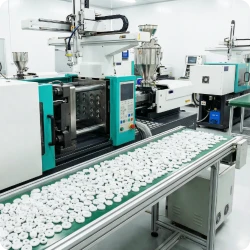
Surface finish is a key factor for micro molded parts, influencing not only their aesthetic appeal but also their functionality. Advanced manufacturing techniques such as micro-machining and EDM are used to achieve precise dimensions in the cavities of small micro molds. While EDM is effective for attaining precise dimensions, it also has the ability to create desirable mold textures in cavities, resulting in smooth, finished parts.
FDA standards regulate the devices and components that can be used in the medical industry. EPTAHUB holds ISO 14385 certification and has extensive manufacturing and industry experience. This ensures that your micro molded parts are produced to the highest quality standards and comply with relevant regulatory requirements.
Just like standard injection molding, micro molding enables the production of large quantities of precise parts. The molds used in micro injection molding can have multiple cavities, allowing for the manufacturing of several parts in a typical cycle time of 30 to 60 seconds. With micro molding, manufacturers can easily produce hundreds to thousands of parts per day.
Drug delivery devices are medical devices that administer and/or control the release of medications or therapeutic agents to specific locations in the human body. Traditional drug delivery methods include ingestion, inhalation, injection, or topical application. However, advancements in medicine have led to the use of micro molding to create drug-delivery devices with innovative medication administration methods. Examples include microneedle patches—equipped with an array of tiny needles thinner than a strand of hair—and small robotic pills that help treat various digestive disorders. EPTAHUB’s micro molding capabilities enable the production of such devices.
EPTAHUB offers alternative methods to micro molding, which are listed below:
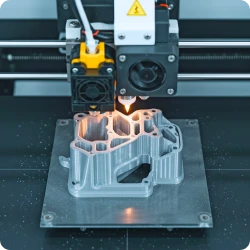
3D printing is an excellent alternative to micro molding, as it can produce tiny plastic or metal parts with complex features. The 3D printing process involves building parts layer by layer until the complete three-dimensional part is formed. 3D printing methods such as stereolithography (SLA), digital light processing (DLP), selective laser sintering (SLS), and selective laser melting (SLM) can achieve precise dimensions with tolerances as small as +0.010. Although 3D printing can achieve tolerances similar to those of micro molding, it is often more costly due to the expensive equipment required and the slower processing speed.
Micro-machining is a subset of CNC machining that includes micro CNC milling or micro-electric discharge machining (µEDM). Micro CNC milling can achieve tolerances as low as 0.001”, while µEDM can reach tolerances as small as 0.008” (0.02 mm). While micro-machining can achieve tolerances comparable to micro molding, it is usually more expensive due to the high cost of µEDM machines and the slower nature of the process.

Select from millions of potential combinations of materials, finishes, tolerances, markings, and certifications for your order.

Quickly get instant quotes for micro molding services with our user-friendly quoting system.

EPTAHUB holds ISO 9001:2015, ISO 13485, and AS9100D certifications.
Learn how to easily obtain an instant quote for Micro Molding services through the EPTAHUB Instant Quoting Engine®.
 English English
  German
 Spanish
 French
 Japanese
 Korean
 Malay
Malay
 Portuguese
 Russian
 Thai
Thai
Our automated quoting system gives you instant pricing so you can quickly estimate your project costs.
For high-precision or complex parts, our senior account managers can provide more detailed quotes and help you find the best overall solution for your needs.