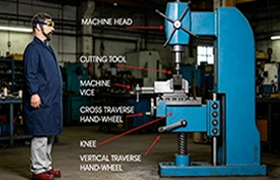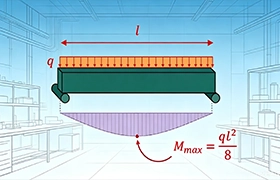











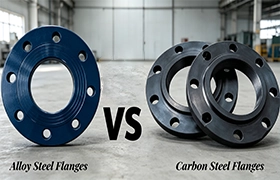
In my 12 years as a manufacturing engineer, I have reviewed thousands of RFQs (Requests for Quote) from hardware startups, Tier-2 automotive suppliers, and aerospace procurement teams. Do you want to know the most common reason a quote gets rejected or delayed at EPTAHUB?
It is a CAD drawing that points to a critical structural component with a material callout that simply says: “Material: Steel.”
Sometimes, we even see confused procurement notes asking for “regular steel,” “base steel,” or in rare, confusing cases, “steel of steel.”
Let me be incredibly clear: In the world of industrial manufacturing, there is no such thing as just “steel.”
If you do not specify the exact metallurgical grade on your print, you are playing Russian Roulette with your supply chain. If we machine your parts out of 1018 Low Carbon Steel, they might rust in the field. If we assume you need extreme strength and machine them out of 4140 Alloy Steel, your unit cost might skyrocket by 30%, and your machining cycle times will double.
When buyers search for “Carbon steel vs Alloy steel which is better,” they are asking the wrong question. “Better” is not an engineering metric. The correct question is: Which steel provides the exact yield strength, machinability, and corrosion resistance required for this specific environment at the lowest possible USD cost?
What Are the 4 Types of Steel?
Before we pit carbon against alloy, we need to establish the baseline. A common Google query from junior buyers is, “What are the 4 types of steel?”
According to the AISI (American Iron and Steel Institute) and SAE (Society of Automotive Engineers)—the governing bodies that standardize metal grades in the United States—every piece of steel on the planet falls into one of four primary categories:
1. Carbon Steel (The “Steel of Steel”)
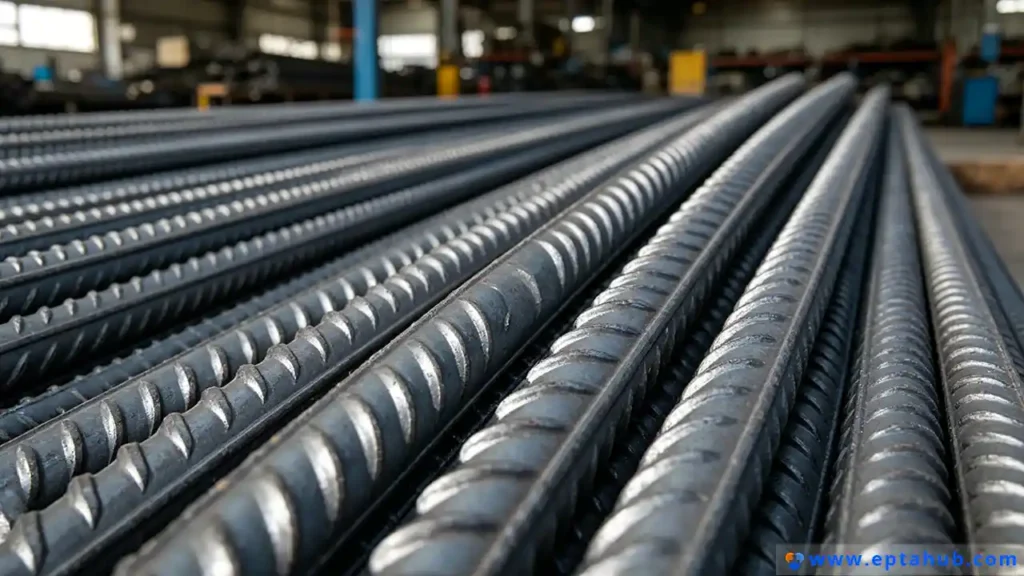
When a layman or a junior buyer says “regular steel” or “steel of steel,” this is what they actually mean. Carbon steel is the foundational alloy of the industrial revolution. It consists almost entirely of Iron (Fe) and a tiny percentage of Carbon (C). There are no other significant elements added. It is cheap, highly machinable, and makes up roughly 90% of all steel production globally.
2. Alloy Steel (The Engineered Steel)
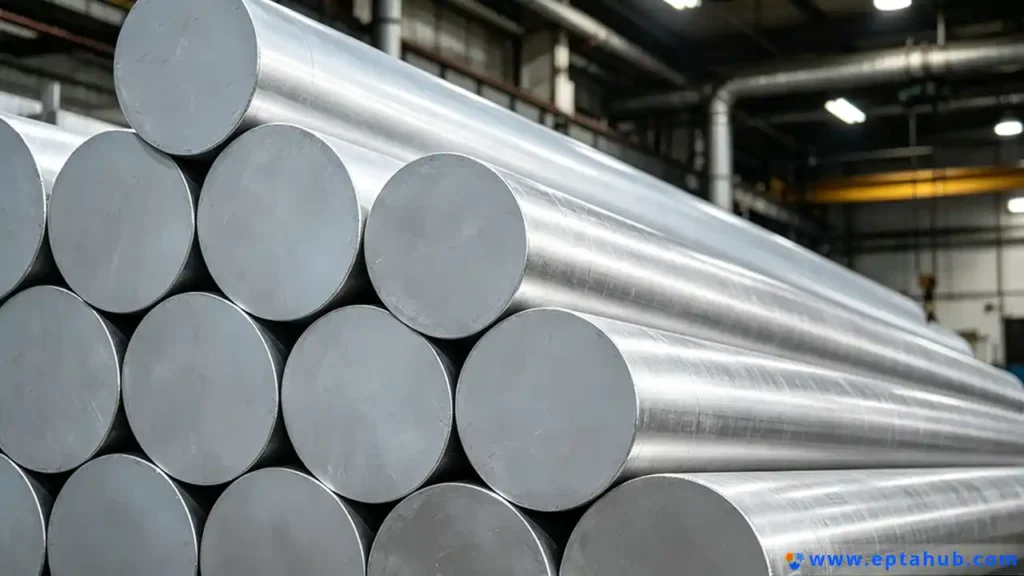
If carbon steel is the baseline, alloy steel is the customized upgrade. We take basic iron and carbon, and we intentionally melt in specific percentages of other elements—like Chromium, Molybdenum, Nickel, or Vanadium—to alter the physics of the metal. We do this to drastically increase toughness, wear resistance, or fatigue limits.
3. Stainless Steel (The Corrosive Fighter)
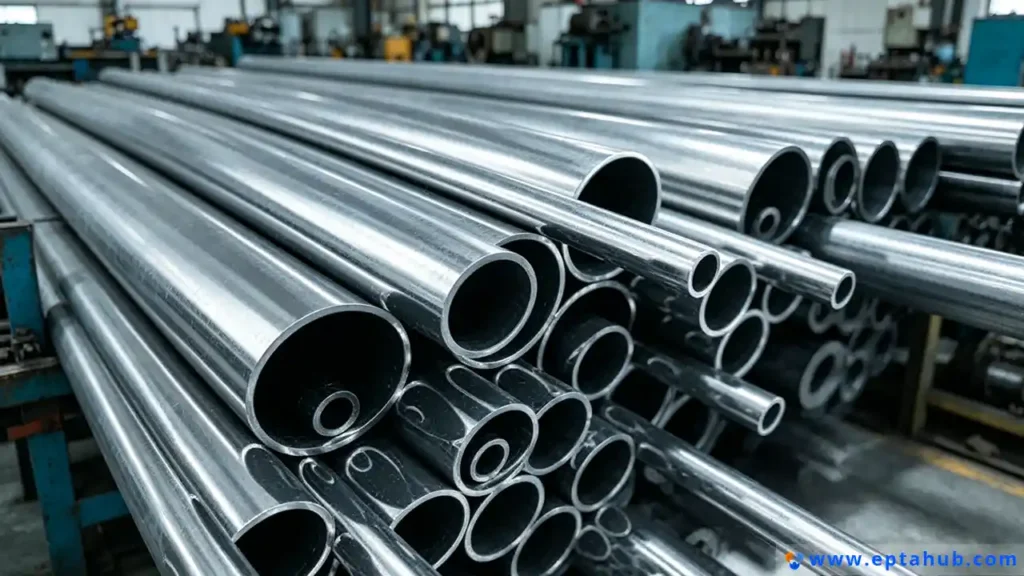
Often confused in the “carbon steel vs alloy steel vs stainless steel” debate, stainless steel is technically a highly specialized alloy steel. By definition, a steel must contain a minimum of 10.5% Chromium to be legally classified as “stainless.” This chromium creates an invisible, microscopic oxide layer on the surface that prevents the iron underneath from rusting.
(Note: We will cover the specific breakdown of Stainless vs. Alloy in Part 2).
4. Tool Steel (The Cutting Metal)
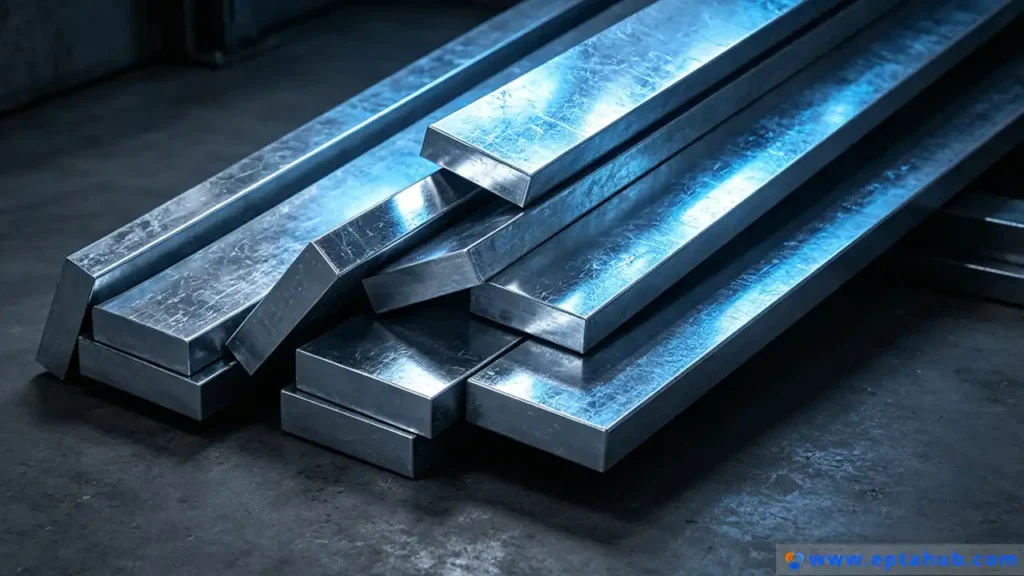
This is the hardest, most wear-resistant category. Tool steels (like D2, O1, or H13) contain massive amounts of carbon and tungsten. We use tool steel at EPTAHUB to make the actual cutting endmills, injection mold cavities, and stamping dies that manufacture other metal parts. You rarely use tool steel for a consumer product because it is brutally expensive and exceptionally difficult to machine.
Source Validation: The categorization of steel into these four distinct families is the universal standard documented by the American Iron and Steel Institute (AISI) and is the foundational curriculum of any ABET-accredited Materials Science engineering program.
The Carbon Steel Baseline
To understand the difference, you must first understand the baseline. Carbon steel is categorized entirely by how much carbon is trapped inside the iron lattice.
Low Carbon Steel (Mild Steel)
- Carbon Content: 0.05% to 0.25%
- Examples: 1018, A36
- The Reality: This is the cheapest, most common steel on earth. If you buy a steel table leg, a standard bracket, or an I-beam for a building, it is low carbon steel. It is highly ductile (it bends instead of snapping), and it is incredibly easy to weld and CNC machine.
- The Flaw: What is the weakest steel? Low carbon steel. It has a relatively low tensile strength, and it cannot be heat-treated (hardened) effectively because there simply isn’t enough carbon in the matrix to form a rigid structure.
Medium Carbon Steel
- Carbon Content: 0.30% to 0.60%
- Examples: 1045
- The Reality: This is the middle ground. It is stronger than 1018 and can be heat-treated to a moderate hardness. We frequently use 1045 at EPTAHUB to machine drive shafts, gears, and automotive axles where you need a balance of strength and ductility.
High Carbon Steel
- Carbon Content: 0.60% to 1.50%
- Examples: 1095
- The Reality: When you search for “high carbon steel vs alloy steel,” you are looking at the extremes. High carbon steel is incredibly hard and brittle. It is used for springs, masonry nails, and high-end chef knives.
- The Flaw: It is a nightmare to weld, and it is very difficult to machine. If you try to bend a thick piece of high carbon steel on a press brake, it will shatter like glass.
Why Do We Need Alloy Steel?
If High Carbon Steel is so hard, why did metallurgists invent Alloy Steel?
Because carbon has a fatal flaw: As you add carbon to iron to make it stronger, you simultaneously make it more brittle.
In mechanical engineering, we need materials that are incredibly strong (they can hold a lot of weight) but also tough (they can absorb an impact without shattering). You cannot achieve both with just iron and carbon.
This brings us to the core query: “alloy steel vs carbon steel which is stronger?”
Alloy steel is definitively stronger, but more importantly, it is tougher. By adding specific alloying elements, we cheat the physics of carbon steel.
The Alloying Elements (The Recipe)
When an engineer at EPTAHUB selects an alloy steel for your mass production run, they are looking at specific elemental additions:
- Chromium (Cr): Increases hardness, wear resistance, and slightly improves corrosion resistance.
- Molybdenum (Mo): Increases high-temperature strength and hardenability. (This is why “Chromoly” steel is so famous in racing cages and aerospace).
- Nickel (Ni): Massively increases toughness and impact resistance, especially in freezing temperatures.
- Vanadium (V): Refines the grain structure of the metal, preventing it from cracking under repeated stress (fatigue).
The B2B Workhorse: 4140 Chromoly Steel
If you want a real-world example of alloy steel, look no further than AISI 4140. It is a medium-carbon steel that has been alloyed with Chromium and Molybdenum.
If a client comes to us with an RFQ for a high-stress hydraulic cylinder or an oil-drilling collar, we immediately specify 4140. It can be heat-treated to an incredibly high yield strength, yet it will still absorb massive shock loads without snapping. A standard piece of 1045 Carbon Steel would fail catastrophically in the same application.
Source Validation: The effects of alloying elements on the iron-carbon phase diagram (hardenability, toughness, grain refinement) are indisputable metallurgical facts, verifiable via the ASM Handbook, Volume 1: Properties and Selection: Irons, Steels, and High-Performance Alloys.
Carbon Steel vs Alloy Steel Weight
One of the most frustrating misconceptions I deal with when speaking to hardware founders or junior industrial designers is the idea of material weight.
We see Google searches for “carbon steel vs alloy steel weight” and get emails asking: “Can we switch from 1018 Carbon Steel to 4140 Alloy Steel to make the part lighter?”
Here is the immutable law of physics: All steel weighs essentially the exact same.
The Density Reality
Whether you are holding a block of cheap A36 Low Carbon Steel, a block of 4140 Alloy Steel, or a block of 304 Stainless Steel, the density is practically identical.
- Density of Steel: ~0.284 lbs per cubic inch (or ~7.85 grams per cubic centimeter).
Adding 1% Molybdenum or 10% Chromium does not magically alter the fundamental atomic mass of the 90% iron matrix. A one-inch cube of carbon steel and a one-inch cube of alloy steel will register the exact same weight on a scale.
How Alloy Steel Actually Saves Weight (The Engineering Loophole)
If the material itself isn’t lighter, why do aerospace engineers and bicycle manufacturers use “Chromoly” alloy steel to build lightweight frames?
Because of Yield Strength.
If you are designing a structural tube for a roll cage out of basic 1018 Carbon Steel, the metal is relatively weak. To support a 5,000-pound load, you might need the wall thickness of that tube to be 0.250 inches.
If you switch that material to 4140 Alloy Steel (which has a yield strength nearly double that of 1018), the metal is vastly stronger. Therefore, you only need a wall thickness of 0.125 inches to support that exact same 5,000-pound load.
You do not save weight because the metal is lighter. You save weight because the metal is stronger, which allows you to use less of it.
This is a critical DFM (Design for Manufacturing) concept that we preach at EPTAHUB. Upgrading to a more expensive alloy steel might increase your raw material cost from 1.50 USD per pound to 3.00 USD per pound. But if that strength allows us to reduce the physical volume of your part by 50%, your material costs balance out, your machining times drop, and your final product is significantly lighter.
Source Validation: The density properties of ferrous metals are standardized across the globe and can be verified through any material property database, such as MatWeb. The correlation between yield strength and cross-sectional area reduction is a foundational principle of mechanical statics and strength of materials.
Alloy Steel vs Stainless Steel, Which is Stronger?
Now that we understand the difference between carbon and alloy steel, we must address the third pillar of the procurement debate: Stainless Steel.
When a procurement manager searches for “alloy steel vs stainless steel, which is stronger?”, they are usually trying to balance raw mechanical strength against environmental survival.
The Stainless Compromise
As established in Part 1, stainless steel is an alloy steel that contains a minimum of 10.5% Chromium. This chromium forms a passive oxide layer that blocks oxygen from reaching the underlying iron, effectively preventing rust.
However, in metallurgy, you rarely get something for nothing.
In the standard grades used in manufacturing (like 304 or 316 Austenitic Stainless Steel), the metallurgical structure that provides incredible corrosion resistance simultaneously sacrifices raw yield strength and hardness.
- Standard 304 Stainless Steel: Has a yield strength of roughly 30,000 PSI.
- Standard 4140 Alloy Steel: Can easily be heat-treated to a yield strength exceeding 100,000 PSI.
So, which is stronger? High-performance Alloy Steel (like 4140 or 4340) will absolutely crush standard stainless steel in a raw strength or impact test.
The Decision Matrix
If a client at EPTAHUB asks which one to use, we look at the operating environment:
- Is it soaked in salt water or harsh chemicals? You must use Stainless Steel (or a highly specialized, expensive coated alloy). If a 4140 alloy steel part rusts and pits, its structural integrity drops to zero, regardless of how strong it was on day one.
- Is it a high-torque internal transmission gear submerged in oil? You must use Alloy Steel. The oil prevents rust, and the stainless steel would simply shear or wear out under the extreme mechanical load.
Source Validation: The inverse relationship between standard austenitic stainless steel corrosion resistance and raw yield strength is a well-documented metallurgical reality, verifiable via ASTM A276 (Standard Specification for Stainless Steel Bars).
Debunking the Consumer Myth: Alloy Steel vs Carbon Steel for Cooking
Because EPTAHUB focuses on industrial B2B manufacturing, I usually ignore consumer trends. However, a massive amount of search volume is dedicated to “alloy steel vs carbon steel for cooking.”
Hardware founders often see these terms used in consumer marketing and carry those misconceptions into industrial design. Let’s clear the air.
In the culinary world, high-end chefs swear by “Carbon Steel” pans. They are referring to a very specific, simple Low-to-Medium Carbon steel sheet metal.
- Why chefs love it: It is highly thermally conductive (heats up fast) and, over time, the cooking oils polymerize on the surface to create a natural, non-stick layer (seasoning).
- Why they avoid “Alloy Steel”: You do not want heavy alloying elements like Molybdenum, Vanadium, or Lead leaching into your food at high temperatures.
Furthermore, when consumer brands market an “Alloy Steel Pan,” they are almost always misusing the term. They are usually referring to a multi-ply clad pan (like stainless steel clad over an aluminum core).
The Engineering Takeaway: Do not let consumer culinary marketing dictate your industrial BOM (Bill of Materials). A carbon steel pan is great for searing a steak because it conducts heat well. But if you design a high-speed CNC spindle housing out of that same basic carbon steel, the machine will tear itself apart.
The EPTAHUB Case Study: The Cost of Over-Specifying Alloy Steel
To truly understand the carbon steel vs alloy steel which is better debate, you have to look at the financial impact on the factory floor.
Last year, an agricultural equipment manufacturer came to EPTAHUB with an RFQ for 10,000 units of a simple pivoting linkage arm for a commercial tractor.
The Problem: The “Better safe than sorry” CAD Drawing
The junior engineer who designed the part was terrified of it breaking in the field. Without running proper FEA (Finite Element Analysis) stress simulations, they simply selected one of the strongest materials they could find in their CAD software dropdown menu: 4340 Alloy Steel.
4340 is a phenomenal, ultra-high-strength nickel-chromium-molybdenum alloy. It is used for landing gear on commercial jetliners.
When we quoted the part in 4340, the unit price came out to 42.00 USD per part.
- Raw Material Cost: 4340 is extremely expensive.
- Machining Cost: 4340 is incredibly tough and difficult to cut. It was destroying our carbide endmills, forcing us to slow down the CNC machine feed rates by 40% and constantly stop the machine to replace broken tools.
The client’s procurement manager panicked at the 420,000 USD total PO (Purchase Order) and asked us to intervene.
The Solution: Engineering the Baseline
Our engineering team at EPTAHUB reviewed the functional requirements of the linkage arm. We discovered the maximum load the arm would ever see in the field was only 8,000 pounds of force.
The 4340 Alloy Steel they specified could hold over 40,000 pounds of force. They were over-engineered by a factor of 5X.
We immediately submitted an Engineering Change Request (ECR) to change the material from 4340 Alloy Steel down to 1045 Medium Carbon Steel.
- 1045 Carbon Steel has a yield strength perfectly suited to handle a 12,000-pound load (providing a safe 1.5X safety factor).
- 1045 is significantly cheaper by the pound.
- Most importantly, 1045 is highly machinable. We could run the CNC spindles at maximum RPM without destroying our tooling.
The Financial Outcome
By dropping the “high-performance” alloy steel and utilizing a properly specced carbon steel, our machining cycle time per part dropped from 18 minutes down to 6 minutes.
The unit cost plummeted from 42.00 USD down to 14.50 USD.
We successfully delivered the 10,000 parts, and the client saved 275,000 USD on a single production run, simply because we understood the difference between alloy and carbon steel.
FAQ: Questions on Steel Procurement
1. Which is better carbon steel or alloy steel?
From an engineering standpoint, neither is inherently “better.” Carbon steel is better for your budget, your machining cycle times, and applications requiring high ductility and weldability (like I-beams or brackets). Alloy steel is better when you have strict geometric space limitations but require extreme strength, wear resistance, or fatigue life (like transmission gears or hydraulic shafts).
2. What’s better, alloy steel or steel?
As established, “steel” is just a colloquial term for carbon steel. If you require specialized mechanical properties (toughness, heat resistance), alloy steel is technically superior. However, for 80% of general manufacturing applications, standard carbon steel is the superior choice regarding cost-effectiveness and manufacturability.
3. Does alloy steel rust?
Yes. Unless an alloy steel has a minimum of 10.5% Chromium (classifying it as Stainless Steel), it will oxidize and rust when exposed to moisture and oxygen. Even high-end alloys like 4140 will rust rapidly. If you use alloy steel in an exposed environment, you must factor in the cost of secondary finishing processes like Zinc Plating, Black Oxide coating, or Powder Coating to protect the metal.
4. Why is my carbon steel part warping after machining?
This is a common issue with cold-rolled carbon steel (like 1018 CR). The cold rolling process at the steel mill traps massive amounts of internal stress inside the metal lattice. When a CNC machine cuts away the top layer of that metal, it releases the stress unevenly, causing the part to bow or warp like a banana. If you need extreme flatness, you must either specify Hot Rolled steel, stress-relieved steel, or use a Blanchard grinding operation.
Conclusion: Stop Specifying “Steel”
The debate between carbon steel vs alloy steel vs stainless steel is not a matter of finding the “best” material; it is an exercise in precise financial and mechanical alignment.
When you send a CAD drawing with ambiguous material callouts, you are forcing the manufacturer to guess. And in the B2B hardware world, guessing leads to failed physical tests, bloated BOM costs, and fractured supply chains.
- If you need it cheap, weldable, and basic: Specify Low Carbon Steel (1018).
- If you need moderate strength with excellent machinability: Specify Medium Carbon Steel (1045).
- If you need extreme toughness, fatigue resistance, and high yield strength: Specify Alloy Steel (4140 or 4340).
- If you need it to survive salt water or harsh chemicals: Specify Stainless Steel (304 or 316).
Do not let consumer marketing or a lack of metallurgical knowledge dictate your mass production budget.
If your engineering team is unsure which material to specify, do not guess. Send your STEP files to EPTAHUB. Our American engineering team will review your application, run the calculations, and guarantee that you are machining the exact right metal for the job, at the lowest possible USD cost per unit.